Poker Face 2.0: How Australia's Elite Gamblers Are Using Tech to Become Emotionally Unreadable
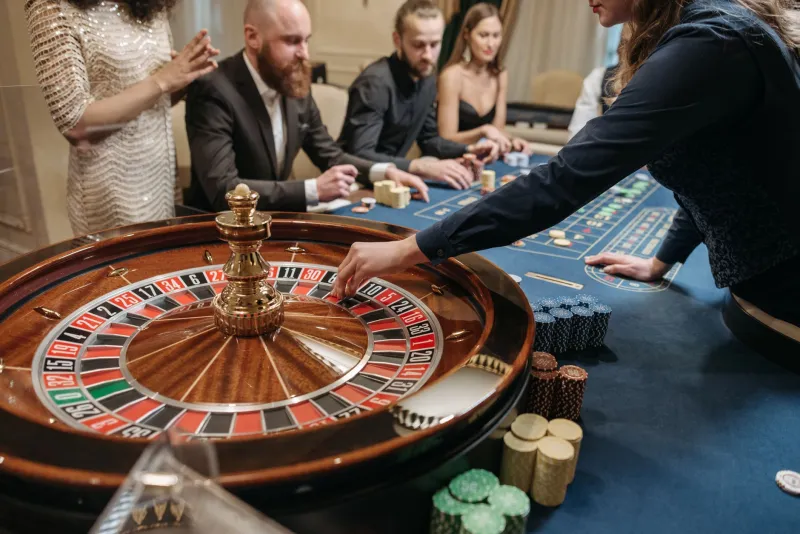
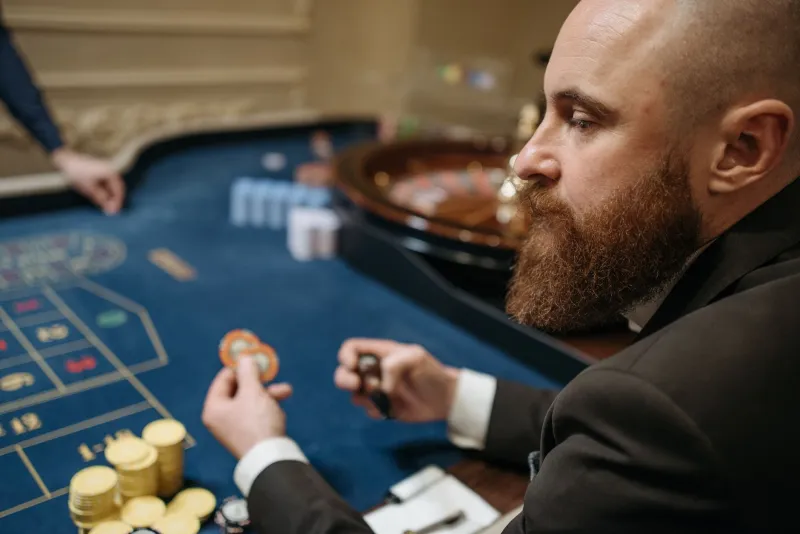
There's a moment every serious poker player knows — that split second where your hand twitches, your jaw tightens, or your breathing shifts just slightly. It's involuntary. It's human. And for Australia's most ruthless high-rollers, it's completely unacceptable.
The pursuit of the perfect poker face has been going on as long as cards have existed. But in 2024, that pursuit has gone seriously high-tech. A growing number of elite Australian gamblers are turning to AI-driven coaching systems, biofeedback wearables, and neural conditioning techniques to eliminate the emotional leaks that cost serious money at the table. What was once about discipline and experience is now also about data — and the results are turning heads in some of the country's most exclusive gaming rooms.
The Problem With Being Human
Before getting into the solutions, it helps to understand just how much unconscious behaviour gives players away. Micro-expressions — those fleeting facial movements that last less than a fifth of a second — can betray excitement, anxiety, or disappointment faster than the conscious mind can suppress them. Heart rate spikes. Pupil dilation. A barely perceptible lean forward when a good card hits the table.
For recreational punters, none of this matters much. But when you're sitting across from someone who's spent thousands of hours reading bodies instead of cards, every flicker is a signal. At the high-stakes end of Australian poker — we're talking about private games in Sydney and Melbourne where a single pot can exceed six figures — being readable isn't just a disadvantage. It's a liability.
The traditional fix was stoicism. Years of practice. Meditation. The kind of iron self-control that comes from playing under pressure so often that nothing rattles you anymore. That still matters. But it's no longer enough on its own.
Biofeedback: Training the Body to Shut Up
Biofeedback technology has been used in clinical and sports performance settings for decades, but its crossover into gambling strategy is relatively recent. The concept is straightforward: sensors measure physiological responses — heart rate variability, galvanic skin response, muscle tension — and feed that data back to the user in real time, allowing them to consciously learn to regulate those responses.
Several elite players in Australia are now incorporating biofeedback training into their regular preparation routines. Devices like the Muse headband and various heart rate variability monitors are being used not during games (that would be too obvious and, in many venues, against the rules) but in training sessions specifically designed to simulate high-pressure scenarios.
The goal isn't to feel nothing — it's to feel things without those feelings showing up in your body. Players run through hand scenarios, simulate bad beats, and practise receiving unexpected information while their biofeedback device tells them exactly what their nervous system is doing. Over time, they learn to keep those readings flat even when the stakes are sky-high.
AI Coaching: Getting Brutally Honest Feedback
Biofeedback handles the physiological side of the equation. But what about the behavioural tells — the way someone handles their chips, the rhythm of their betting, the subtle shifts in posture? That's where AI-powered video analysis tools are changing the game.
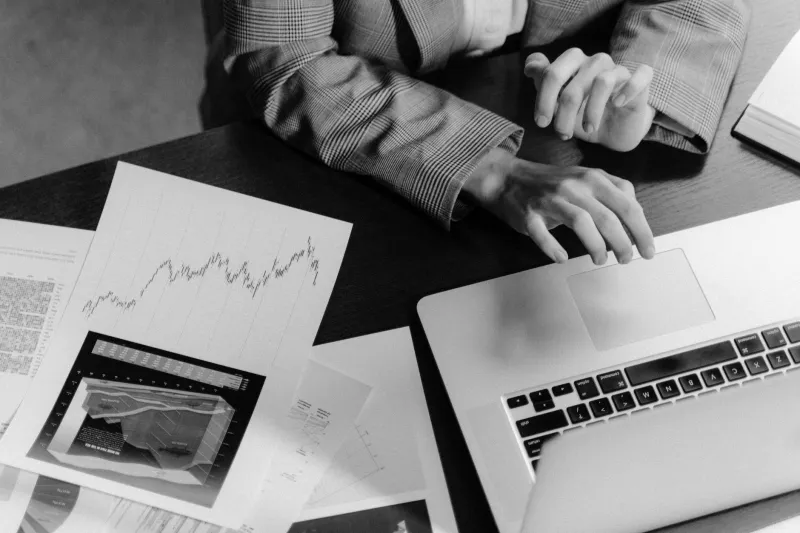
Several platforms now allow players to record training sessions and run that footage through machine learning models trained to detect behavioural patterns. The software flags moments where the player's behaviour deviates from their baseline — a chip shuffle that speeds up under pressure, a glance toward the pot that happens more often when holding strong cards. It's the kind of analysis that a skilled human observer might pick up on over hours of play. The AI does it in minutes.
For Australian players who take this seriously, these tools have become a core part of preparation. They'll record practice sessions with friends or against AI opponents, review the analysis, identify their leaks, and drill corrections until the new behaviour becomes automatic. It's closer to the preparation of an elite athlete than anything traditionally associated with gambling.
Neural Training and the Mindset Edge
Beyond the gadgets, there's also a growing interest in the psychological architecture of emotional control. Techniques drawn from sports psychology, military stress inoculation training, and even performance arts are being adapted for the high-stakes gambling context.
One method gaining traction is something practitioners call "cognitive load flooding" — deliberately overloading the mind with complex mental tasks during training simulations to the point where emotional regulation becomes automatic rather than deliberate. The idea is that if you can maintain a flat affect while doing mental arithmetic at speed, you can certainly manage it while holding a set of nines.
Others are working with performance coaches who specialise in what's loosely called "identity-level" emotional conditioning — essentially reframing the psychological relationship between winning, losing, and self-worth so that neither outcome triggers a significant internal response. When a big pot means less to your nervous system, your body stops announcing it to the table.
The Casino Countermove
Here's where it gets interesting. Casinos aren't standing still while their most sophisticated players evolve.
Several major Australian gaming venues have quietly upgraded their surveillance capabilities in ways that go well beyond catching cheats. Advanced camera systems now monitor not just hands and chips but micro-behavioural patterns across the table. Some venues are reportedly trialling AI-assisted monitoring tools that can flag unusual behavioural consistency — players who are, in a sense, too controlled in ways that suggest systematic conditioning rather than natural composure.
It's a genuinely strange arms race. Players are using AI to eliminate tells. Casinos are using AI to detect the absence of tells as a tell in itself. The technology is getting smarter on both sides of the felt.
There's also the human element. Experienced casino staff — particularly in high-roller rooms — are increasingly trained to look for the patterns that tech-augmented players might not think to mask. The way someone interacts with staff. Their behaviour between hands. The micro-social cues that exist outside the formal game context. Machines are good at patterns. Humans are still pretty good at reading other humans.
What This Means for the Rest of Us
Most punters at Extreme Casino AU aren't running biofeedback sessions before they sit down to a game. And that's fine — this level of preparation is the domain of professionals and serious semi-pros operating at the extreme end of the competitive spectrum.
But there are takeaways here that apply to anyone who takes their game seriously. The fundamental insight — that emotional control is a trainable skill, not just an inborn trait — is genuinely useful at any level. Awareness of your own tells, even without sophisticated tech, is a competitive edge. Practising composure under simulated pressure costs nothing.
And understanding that the best players in the country are actively engineering their emotional responses should recalibrate how you think about the human element at the table. When you're sitting across from someone who's done the work, you're not just playing cards. You're playing against a version of that person that's been specifically optimised to give nothing away.
In Australia's most extreme high-stakes rooms, the real game has always been psychological. The technology has just made that more literal than ever.